
How to Create a Safe Home Environment for Seniors

Creating a safe home environment for seniors is essential for their well-being and independence. As we age, our needs change, and our homes should adapt to those changes. A safe home can prevent accidents, promote comfort, and enhance the quality of life for older adults. In this blog post, we will explore practical steps you can take to ensure that your home is a safe haven for seniors.
Understanding the Risks
Before making changes, it is important to understand the common risks that seniors face at home. Falls are the leading cause of injury among older adults. Other risks include fire hazards, medication mismanagement, and inadequate lighting. By identifying these risks, you can take proactive steps to mitigate them.
Assessing the Home Environment
Start by conducting a thorough assessment of the home. Walk through each room and look for potential hazards. Here are some key areas to focus on:
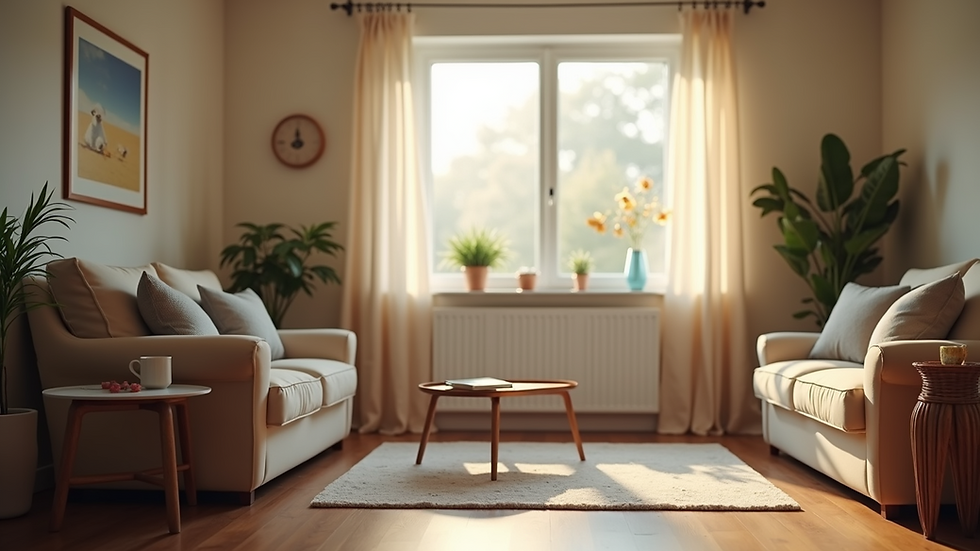
Living Room: Ensure that furniture is arranged to allow easy movement. Remove any clutter that could cause trips.
Kitchen: Keep frequently used items within easy reach. Use non-slip mats near the sink and stove.
Bathroom: Install grab bars near the toilet and in the shower. Consider a shower chair for added safety.
Bedroom: Ensure that the bed is at a comfortable height. Keep a lamp within reach of the bed for nighttime use.
Improving Lighting
Good lighting is crucial for preventing falls and accidents. Here are some tips to improve lighting in the home:
Use Bright Bulbs: Replace dim bulbs with brighter ones. LED bulbs are energy-efficient and provide excellent illumination.
Install Night Lights: Place night lights in hallways, bathrooms, and bedrooms to guide seniors during the night.
Maximize Natural Light: Open curtains and blinds during the day to let in natural light. This can help improve mood and visibility.
Reducing Clutter
A clutter-free environment is essential for safety. Here are some strategies to reduce clutter:
Organize Regularly: Set aside time each week to declutter. Encourage seniors to keep only what they need and use.
Use Storage Solutions: Invest in storage bins, shelves, and organizers to keep items in their designated places.
Create Clear Pathways: Ensure that walkways are clear of furniture, rugs, and other obstacles.
Installing Safety Features
Adding safety features can significantly enhance the home environment. Consider the following:
Grab Bars: Install grab bars in bathrooms and near stairs to provide support.
Non-Slip Mats: Use non-slip mats in the bathroom and kitchen to prevent slips.
Smoke Detectors: Ensure that smoke detectors are installed and functioning. Change the batteries regularly.
Managing Medications
Medication management is crucial for seniors. Here are some tips to help:
Use Pill Organizers: Pill organizers can help seniors keep track of their medications.
Set Reminders: Use alarms or smartphone apps to remind seniors when to take their medications.
Review Medications Regularly: Schedule regular check-ups with a healthcare provider to review medications and dosages.
Encouraging Independence
While safety is important, it is also essential to encourage independence. Here are some ways to do this:
Promote Mobility: Encourage seniors to use mobility aids, such as walkers or canes, if needed.
Involve Them in Decisions: Allow seniors to participate in decisions about their home environment. This can help them feel more in control.
Provide Support: Offer assistance when needed, but encourage seniors to do tasks independently whenever possible.
Creating a Comfortable Environment
A safe home should also be a comfortable one. Here are some tips to enhance comfort:
Temperature Control: Ensure that the home is well-ventilated and at a comfortable temperature.
Personal Touches: Encourage seniors to decorate their space with personal items, such as photos and artwork.
Comfortable Furniture: Invest in comfortable seating and bedding to promote relaxation.
Staying Connected
Social connections are vital for mental health. Here are some ways to help seniors stay connected:
Encourage Social Activities: Promote participation in community events, clubs, or classes.
Use Technology: Teach seniors how to use video calls and social media to stay in touch with family and friends.
Regular Visits: Schedule regular visits from family and friends to provide companionship.
Emergency Preparedness
Being prepared for emergencies is crucial. Here are some steps to take:
Create an Emergency Plan: Develop a plan that includes emergency contacts, medical information, and evacuation routes.
Keep a Phone Nearby: Ensure that seniors have a phone within reach at all times, especially in case of emergencies.
Consider a Medical Alert System: A medical alert system can provide peace of mind and quick access to help if needed.
Conclusion: A Safe Home is a Happy Home
Creating a safe home environment for seniors is a rewarding endeavor. By taking proactive steps to assess risks, improve safety features, and promote independence, you can help ensure that seniors live comfortably and confidently in their own homes. Remember, a safe home is not just about preventing accidents; it is about fostering a sense of security and well-being. With the right changes, you can create a space that supports their needs and enhances their quality of life.


Comments